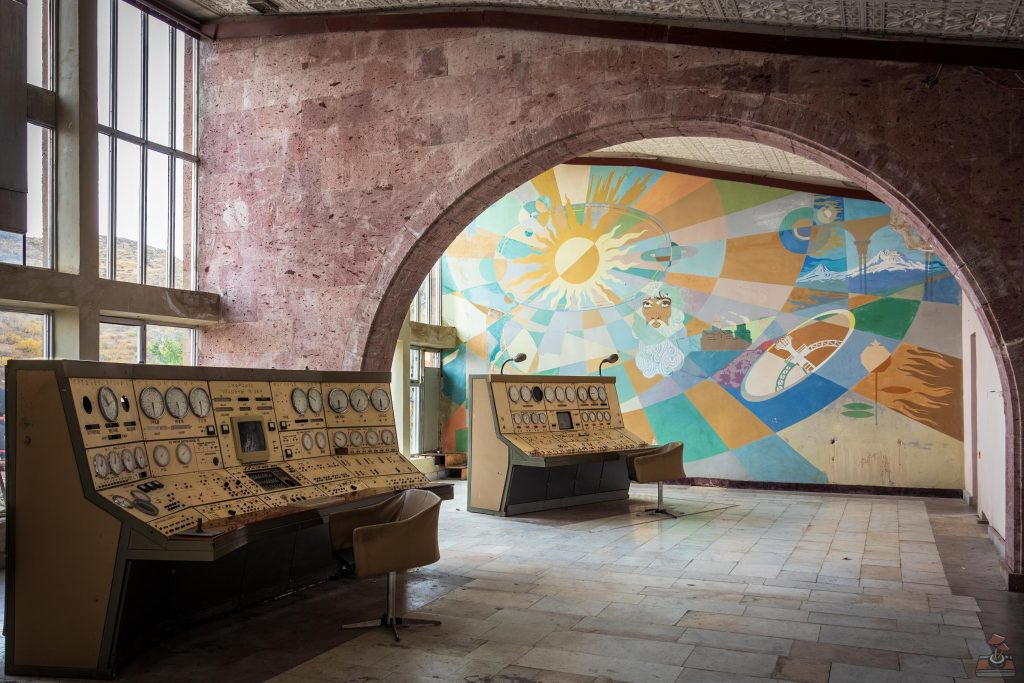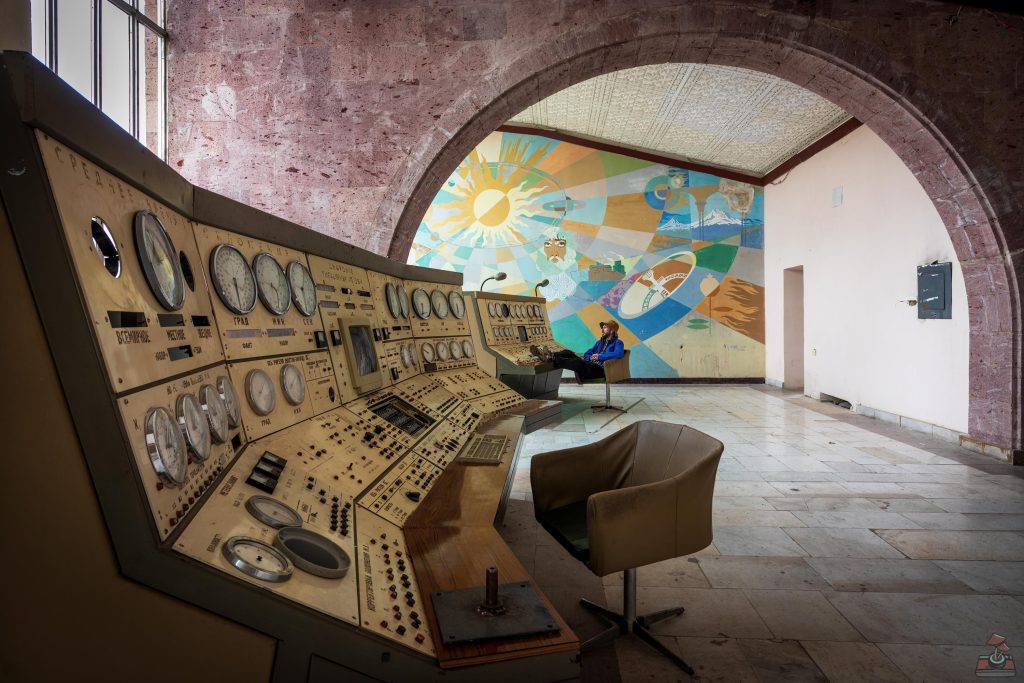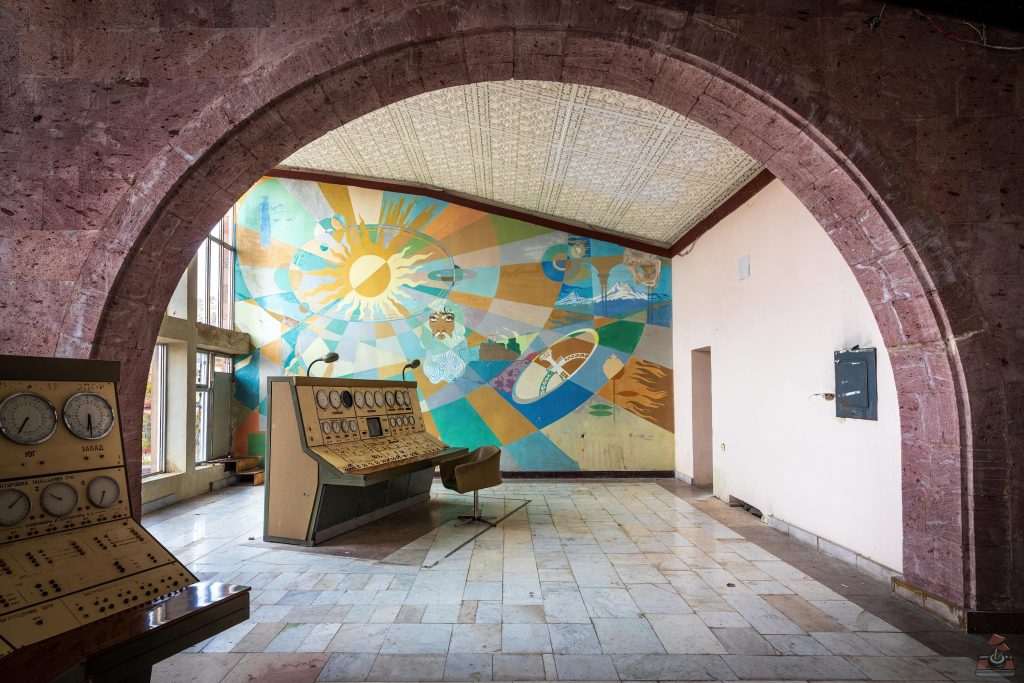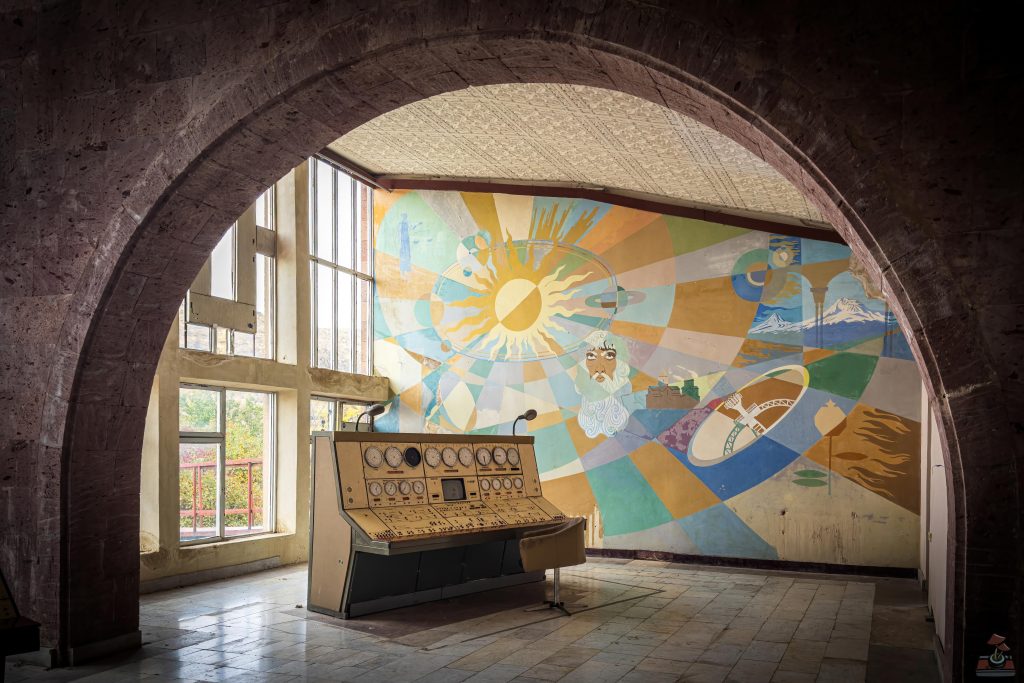
History
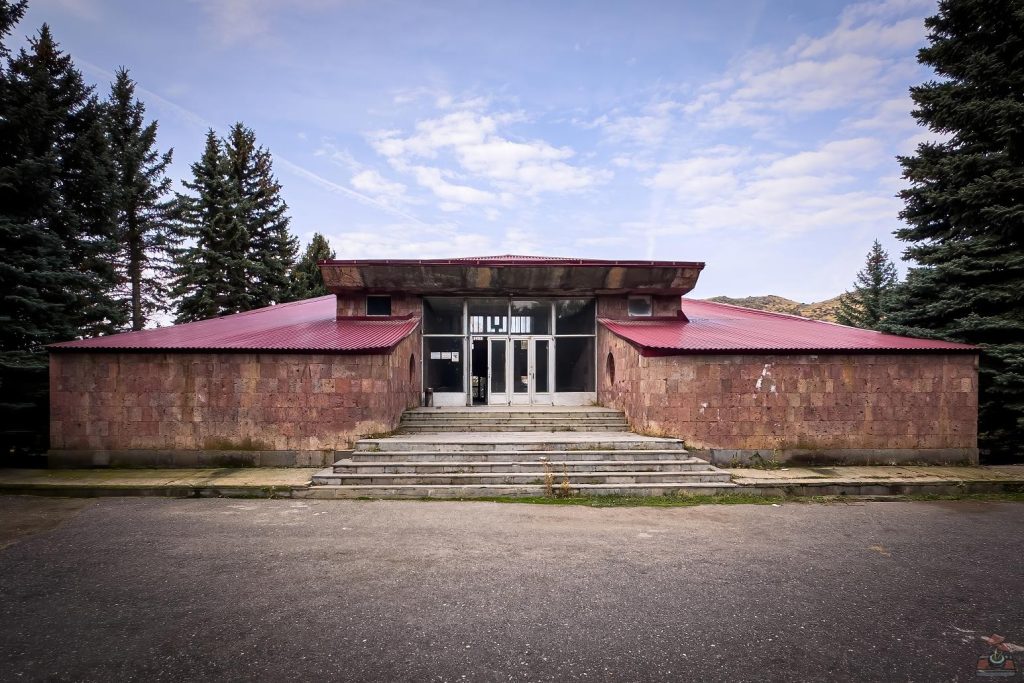
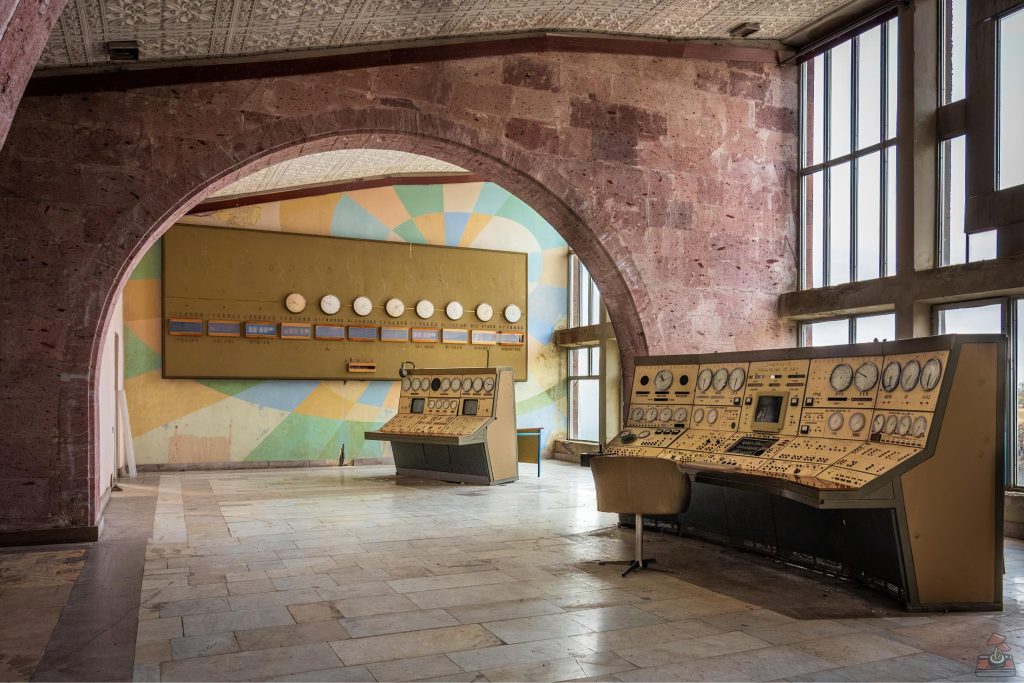
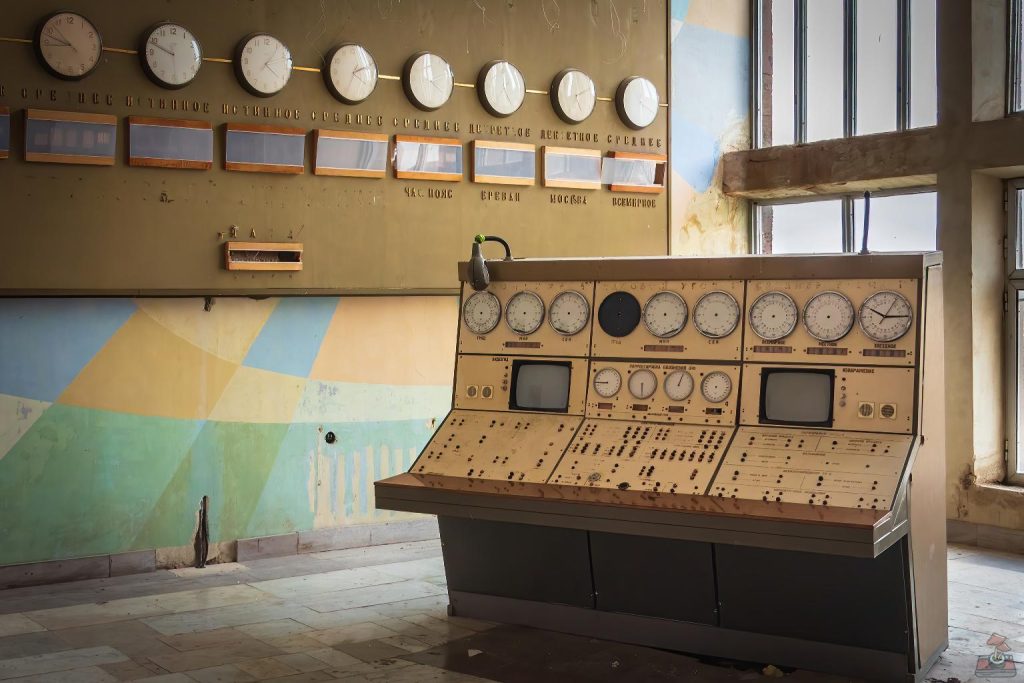
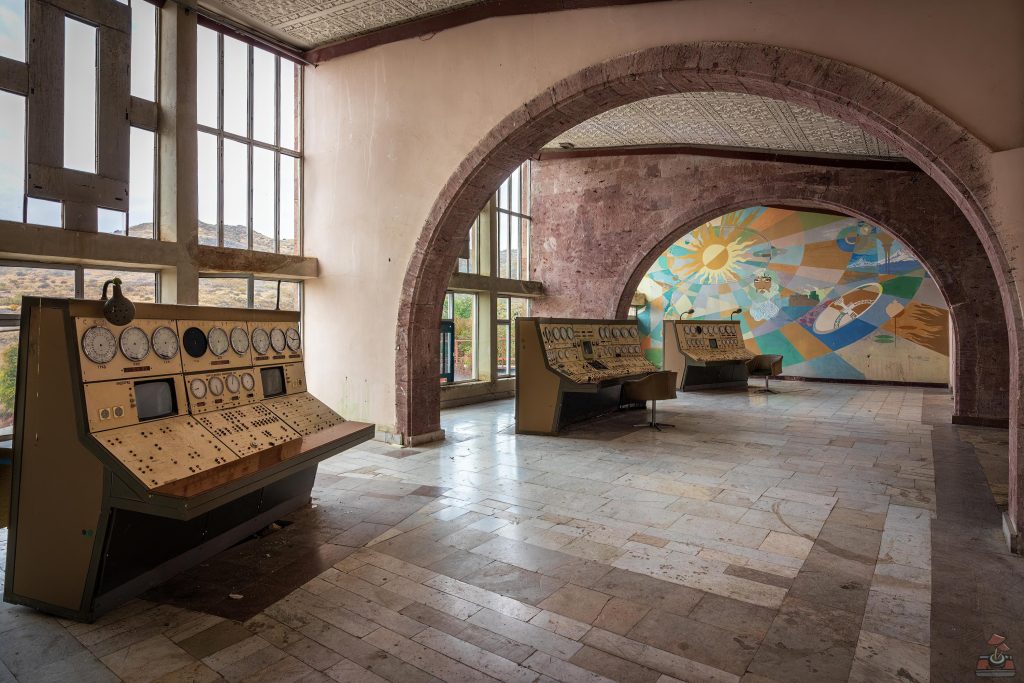
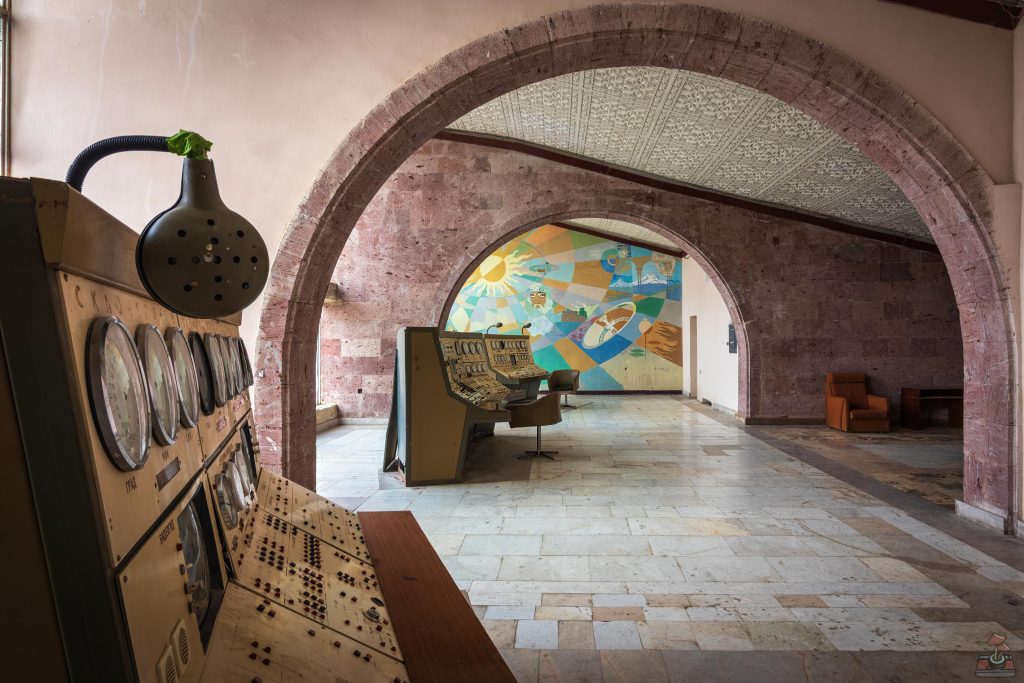
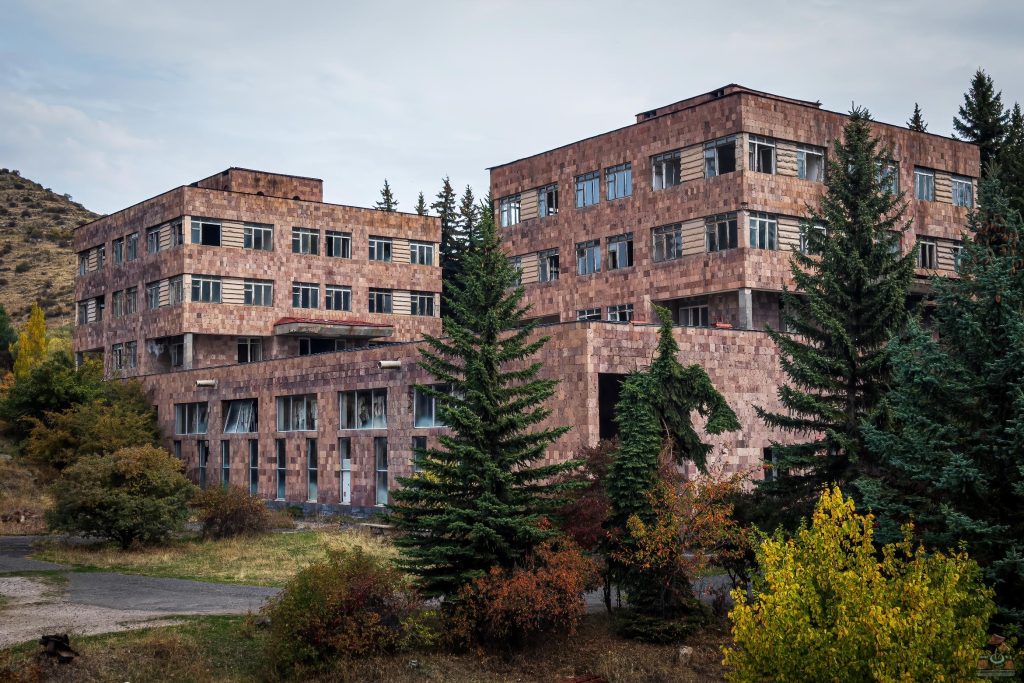
The ROT-54, also known as the Herouni Radio-Optical Telescope, is a remarkable Soviet-era scientific installation located near Orgov village in Armenia’s Aragatsotn Province, on the slopes of Mount Aragats. Designed by Armenian radio physicist Paris Herouni, construction took place between 1975 and 1985 at an altitude of approximately 1,700 metres. The telescope began its first observations in 1986 and was developed as an innovative facility combining radio astronomy with optical observation.
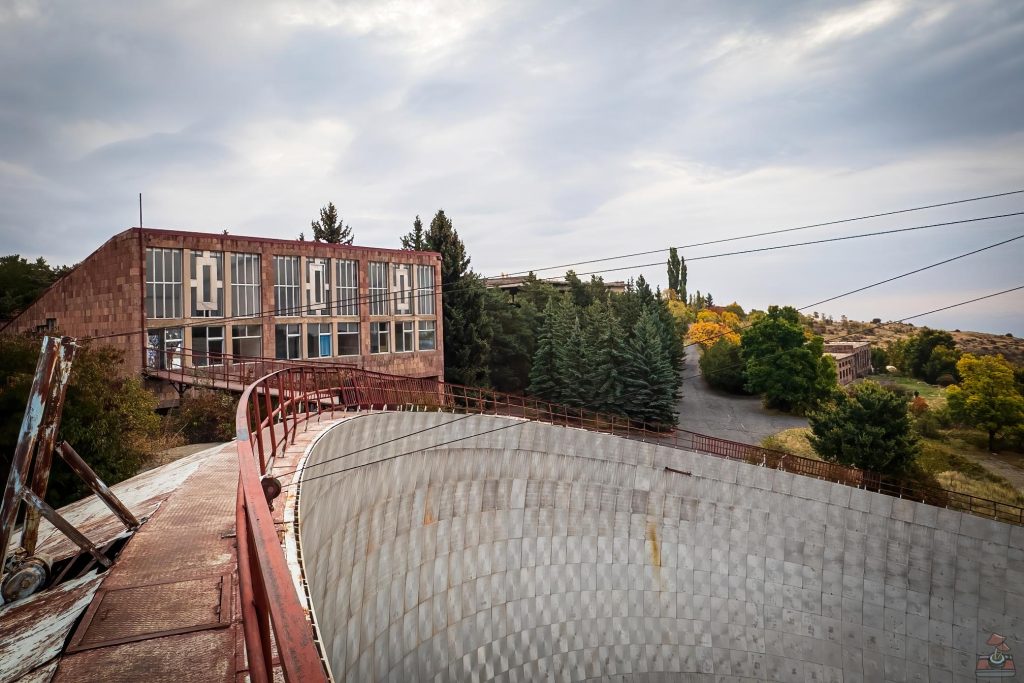
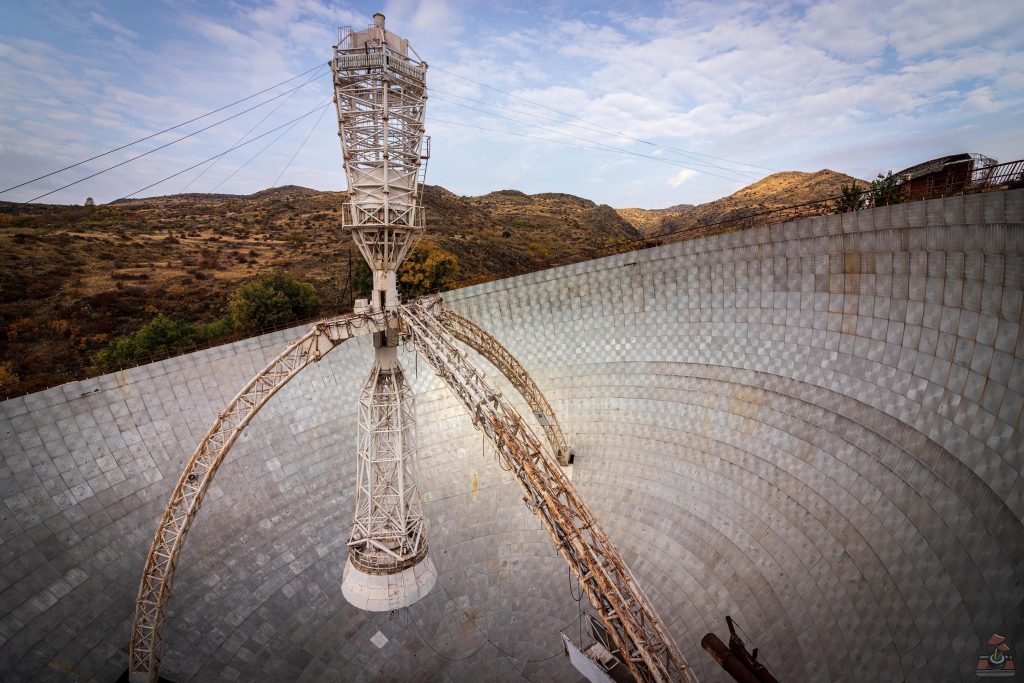
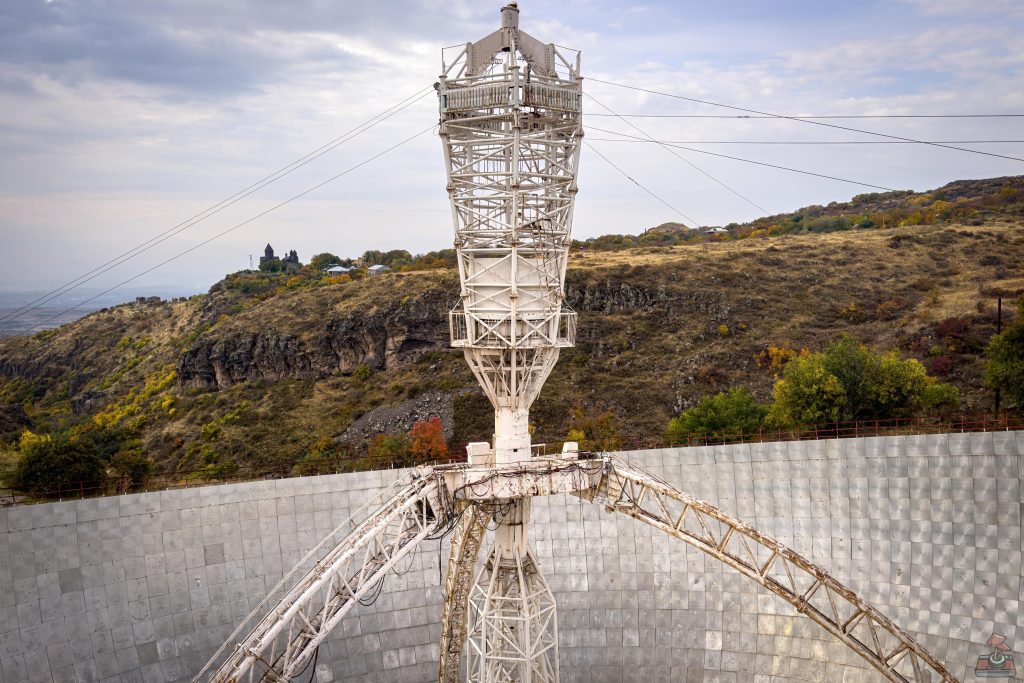
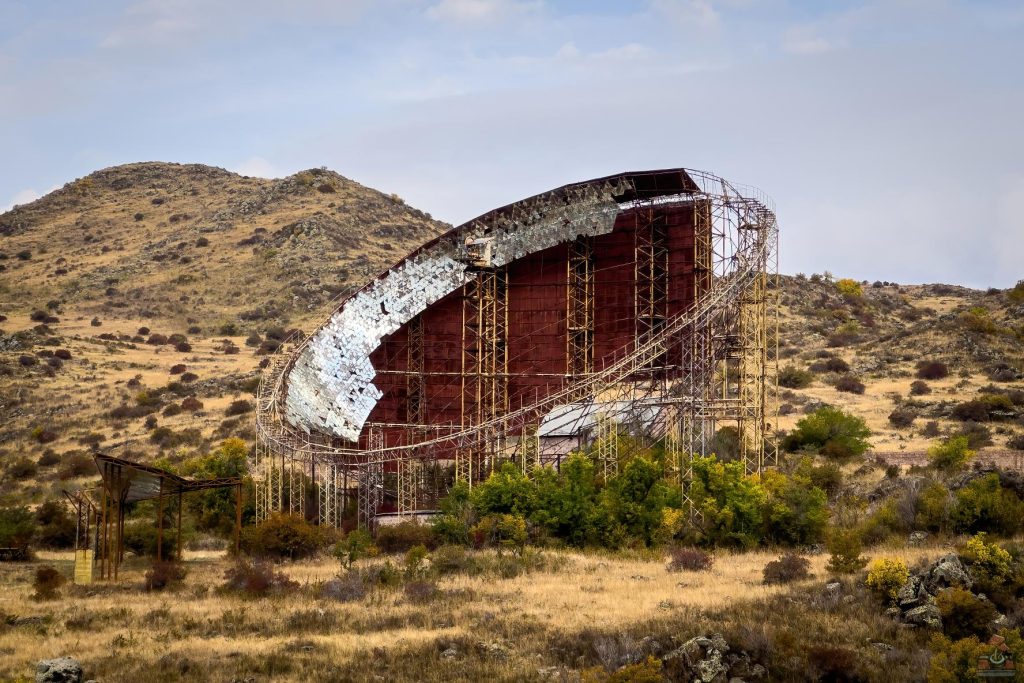
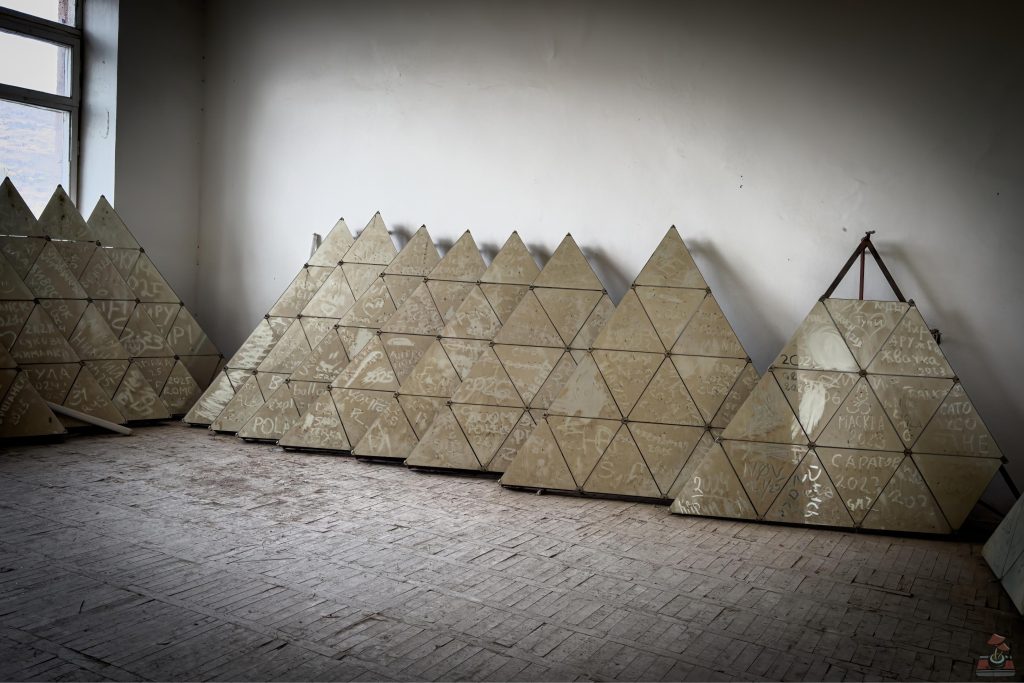
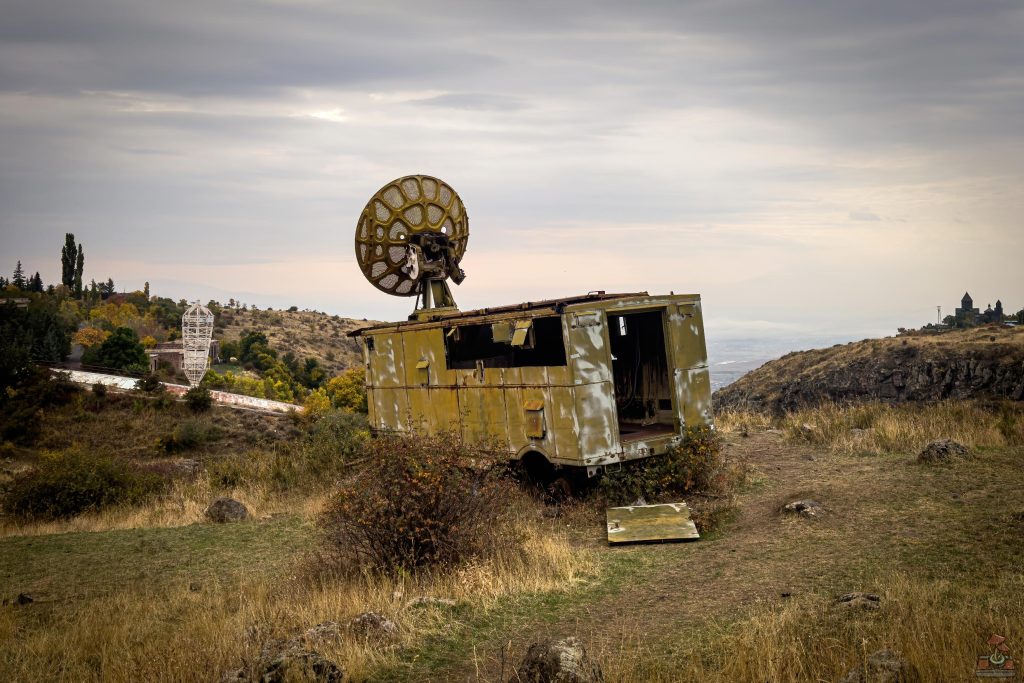
ROT-54 features an enormous 54-metre spherical radio reflector, constructed from thousands of individual reflective panels. Unlike conventional radio telescopes that rotate a large dish to track celestial objects, its main reflector is fixed in the ground. A movable secondary reflector, approximately five metres in diameter, redirects incoming radio waves towards the receiving equipment. This design gives the telescope an effective observing aperture of approximately 32 metres. The facility also incorporates a separate optical telescope with a 2.6-metre mirror, hence its technical designation ROT-54/2.6.
The telescope was intended to investigate radio emissions from celestial objects and support research into radio astronomy and space communications. Its unusual engineering design made it a distinctive scientific achievement for Armenia during the Soviet period. Despite its ambitious concept, the facility faced financial and technical difficulties following the collapse of the Soviet Union, limiting its long-term scientific operation.
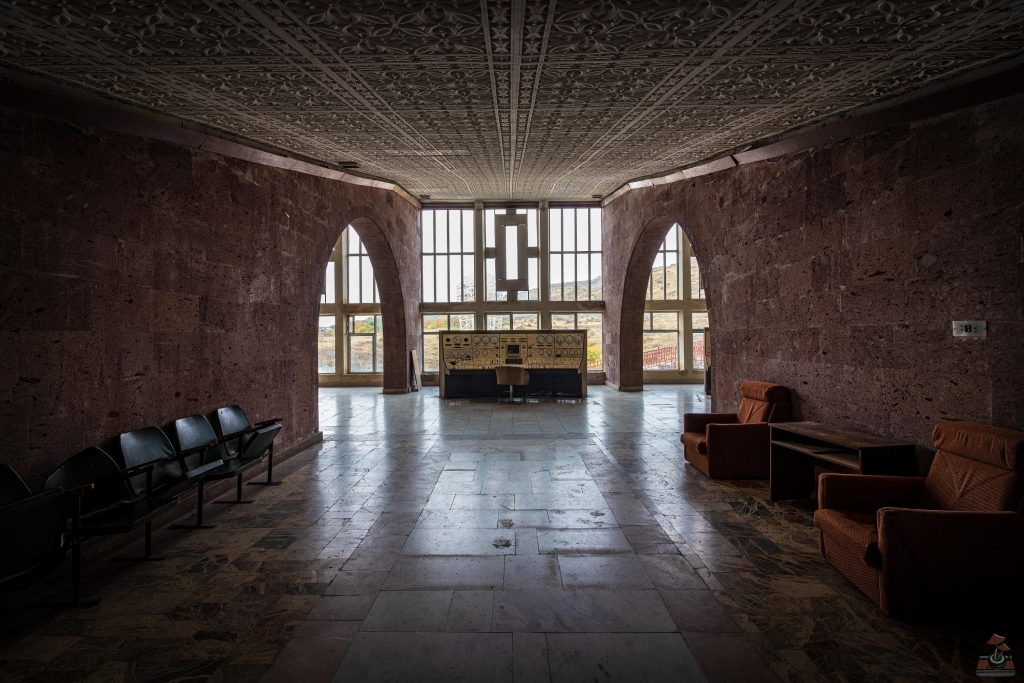
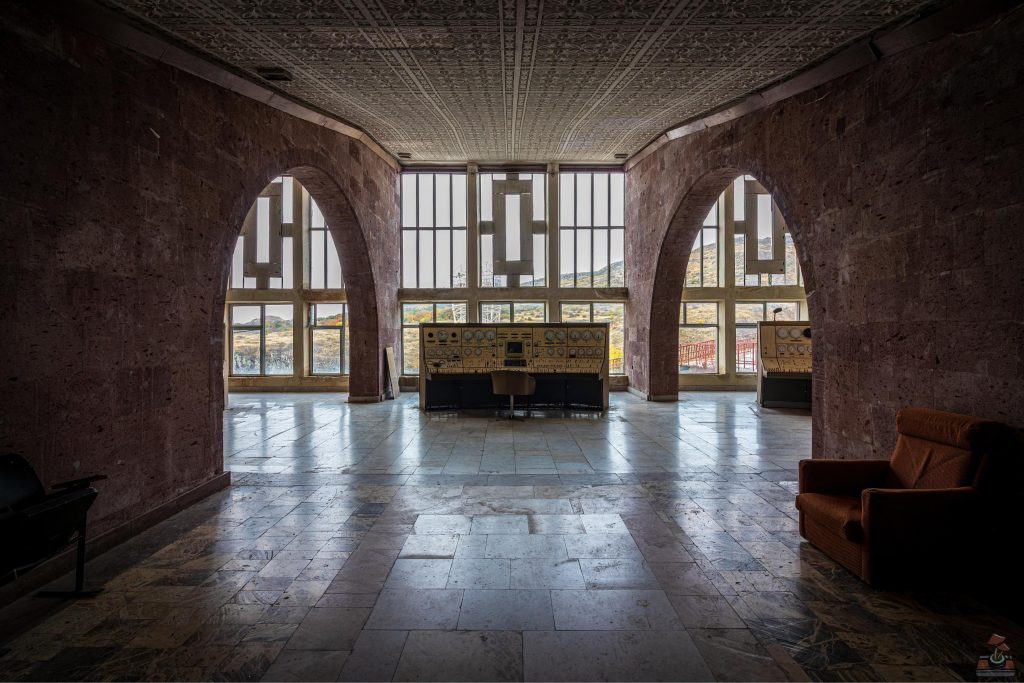
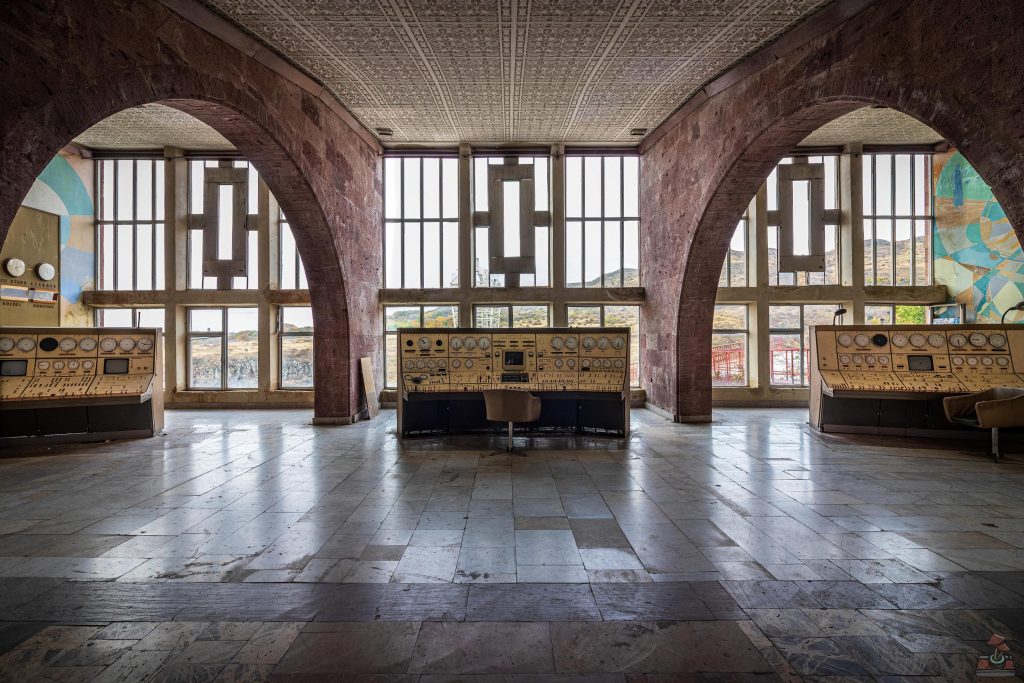
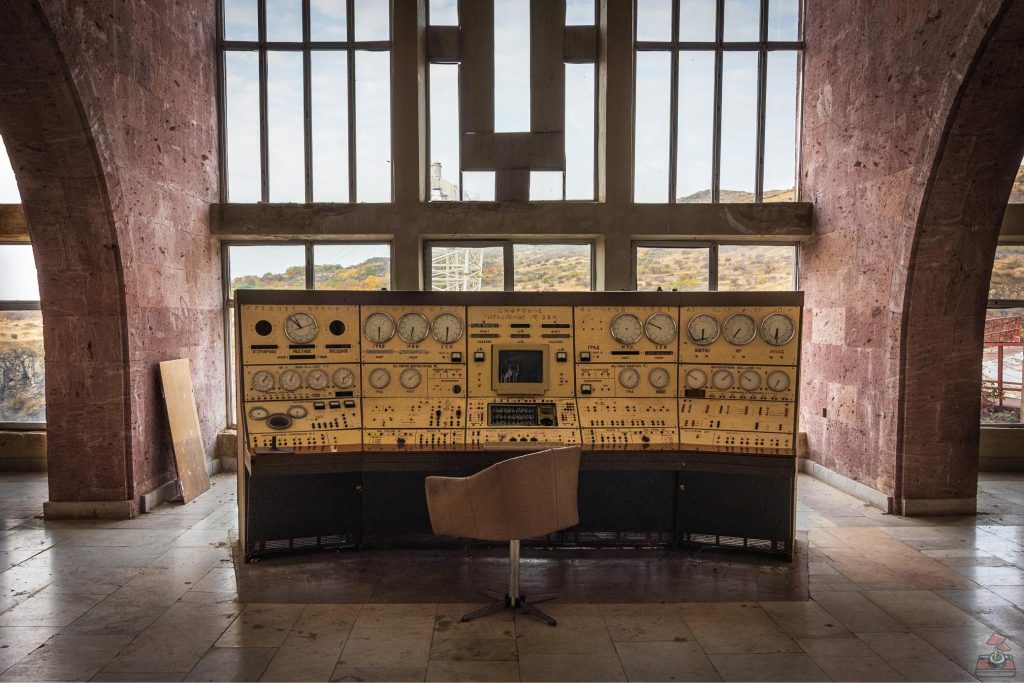
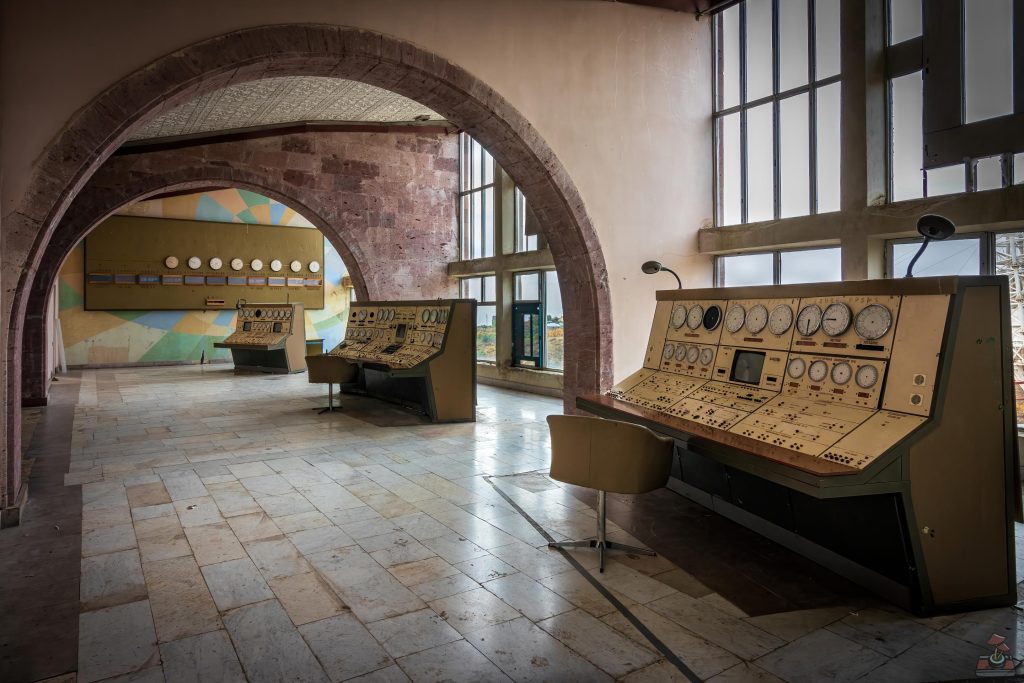
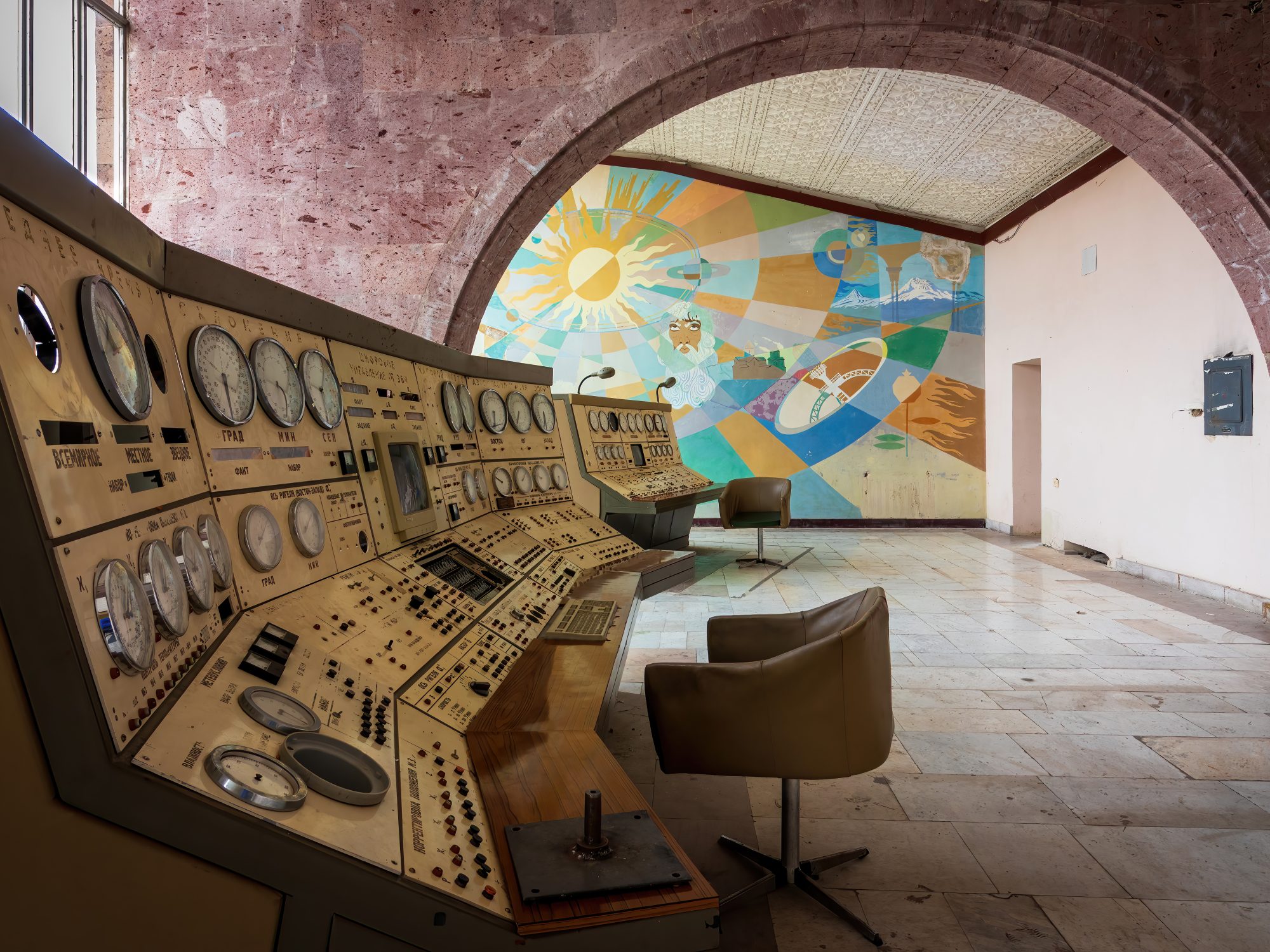
Modernisation efforts began during the 1990s and continued into the 2000s, including work on its receiving equipment and computer controls. However, in 2012, the telescope was taken out of service after mechanical problems affected the support and movement of its secondary reflector. Without sufficient funding for repairs and maintenance, the installation remained largely inactive.
Armenian engineers and researchers began investigating the possibility of restoring the telescope. Testing and technical assessments have explored the condition of its reflector, structural alignment and potential for renewed observations. Reactivation would require substantial engineering work, updated control systems and modern receiving equipment.