History
Established during the Second World War as part of Britain’s defensive strategy against German aerial bombardment. Positioned within the Norfolk countryside, the site played a crucial role in protecting the eastern approaches to Great Yarmouth, Lowestoft, and other key coastal and inland installations from Luftwaffe raids.
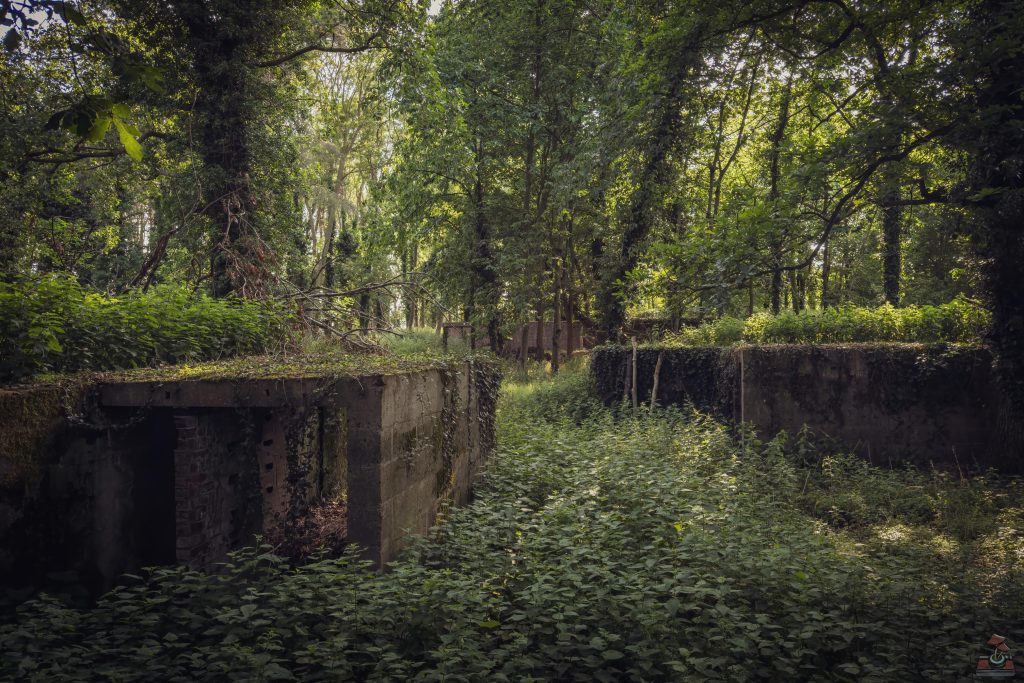
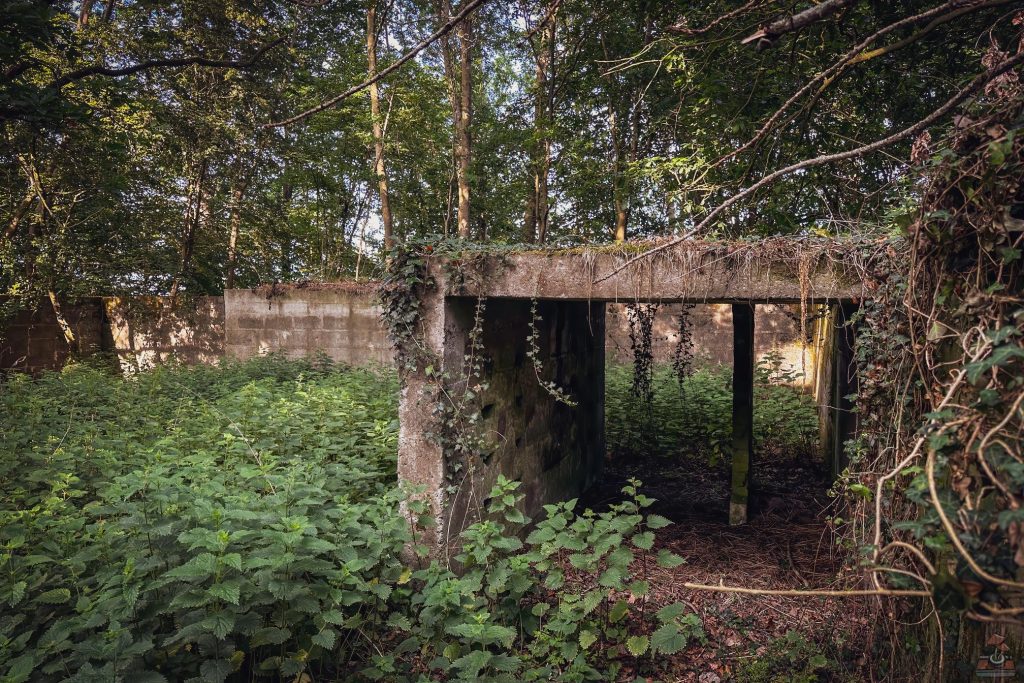
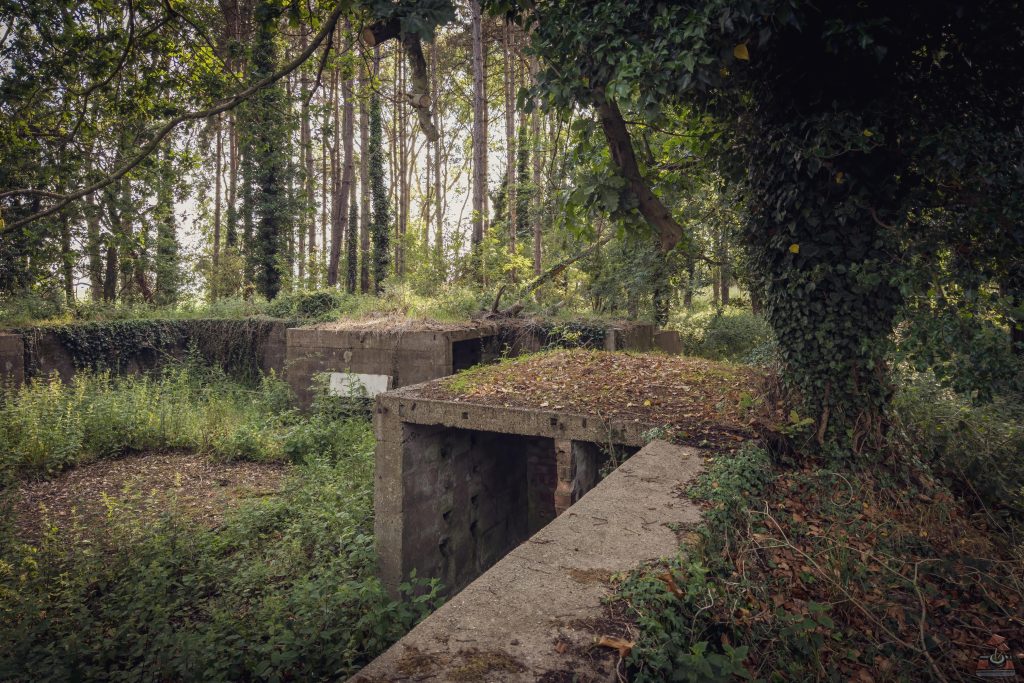
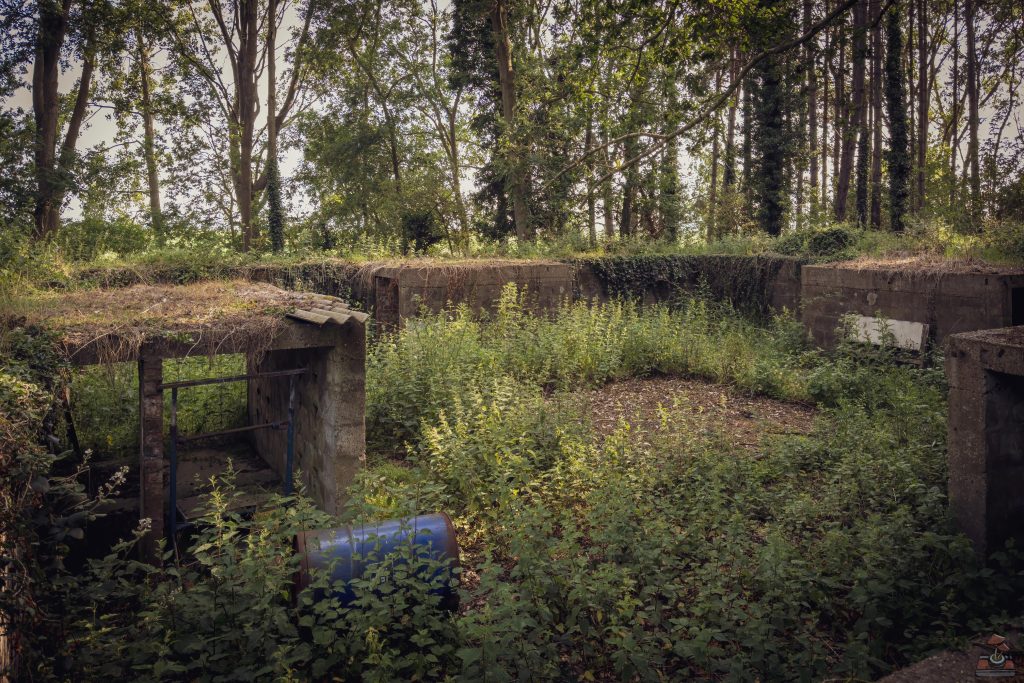
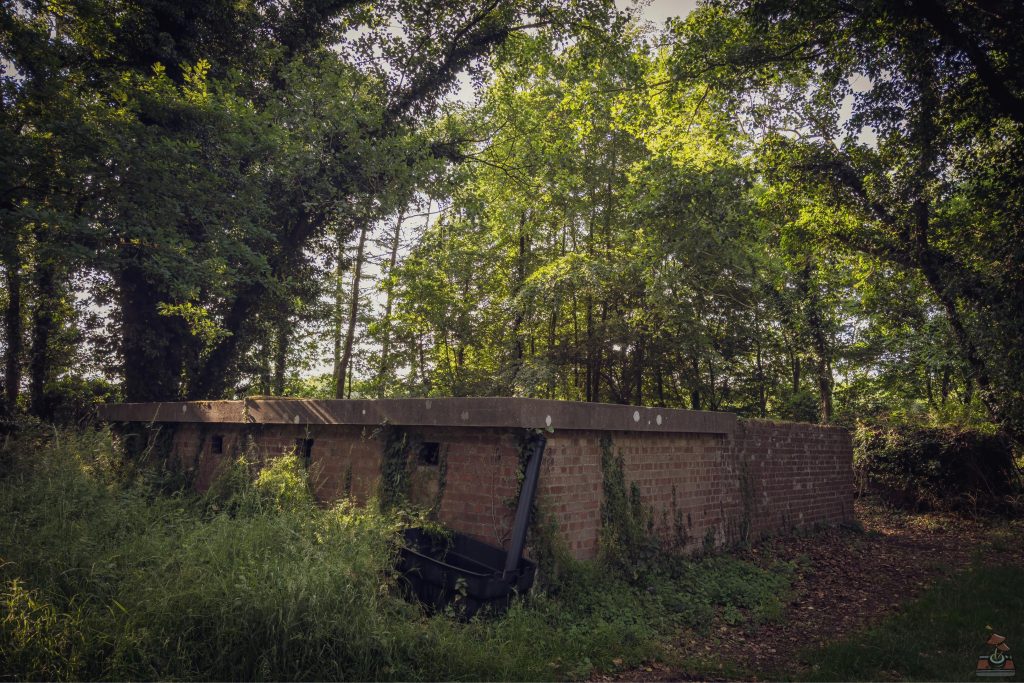
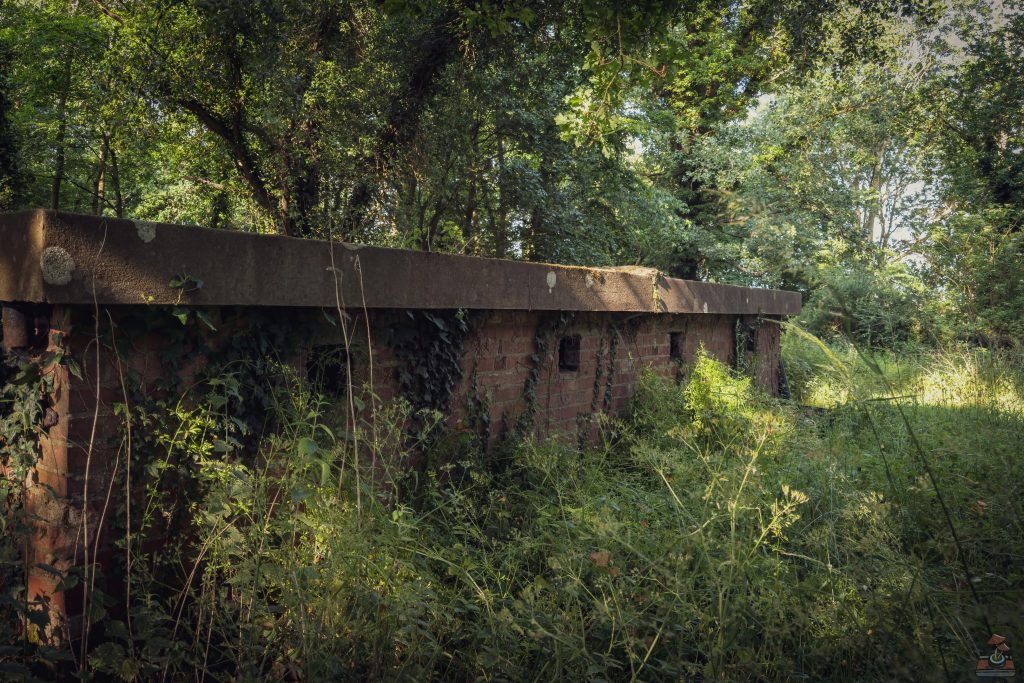
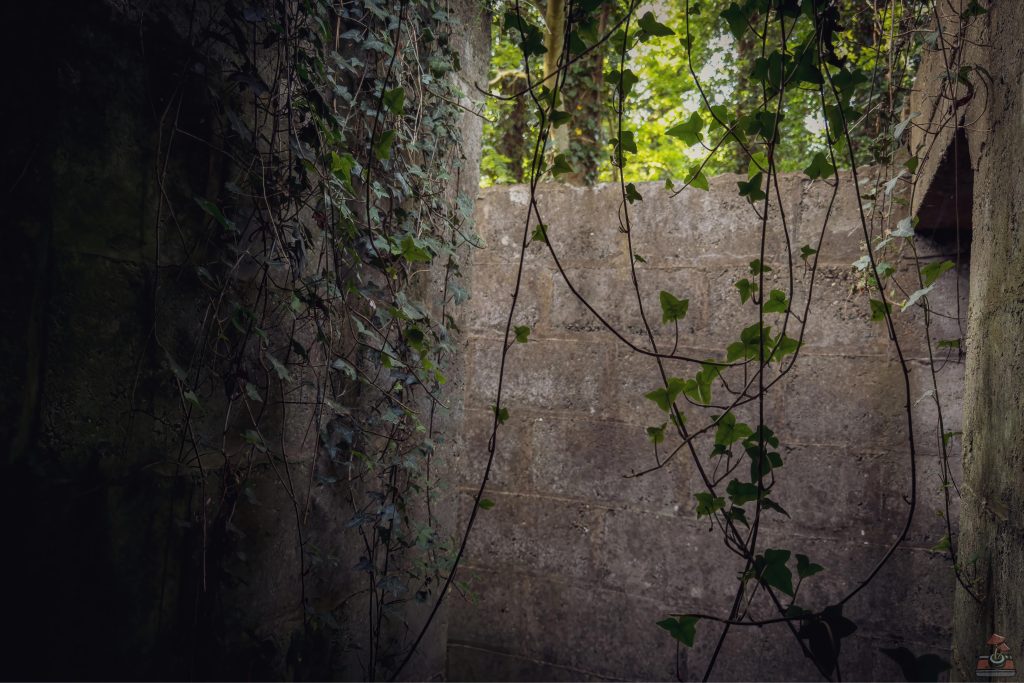
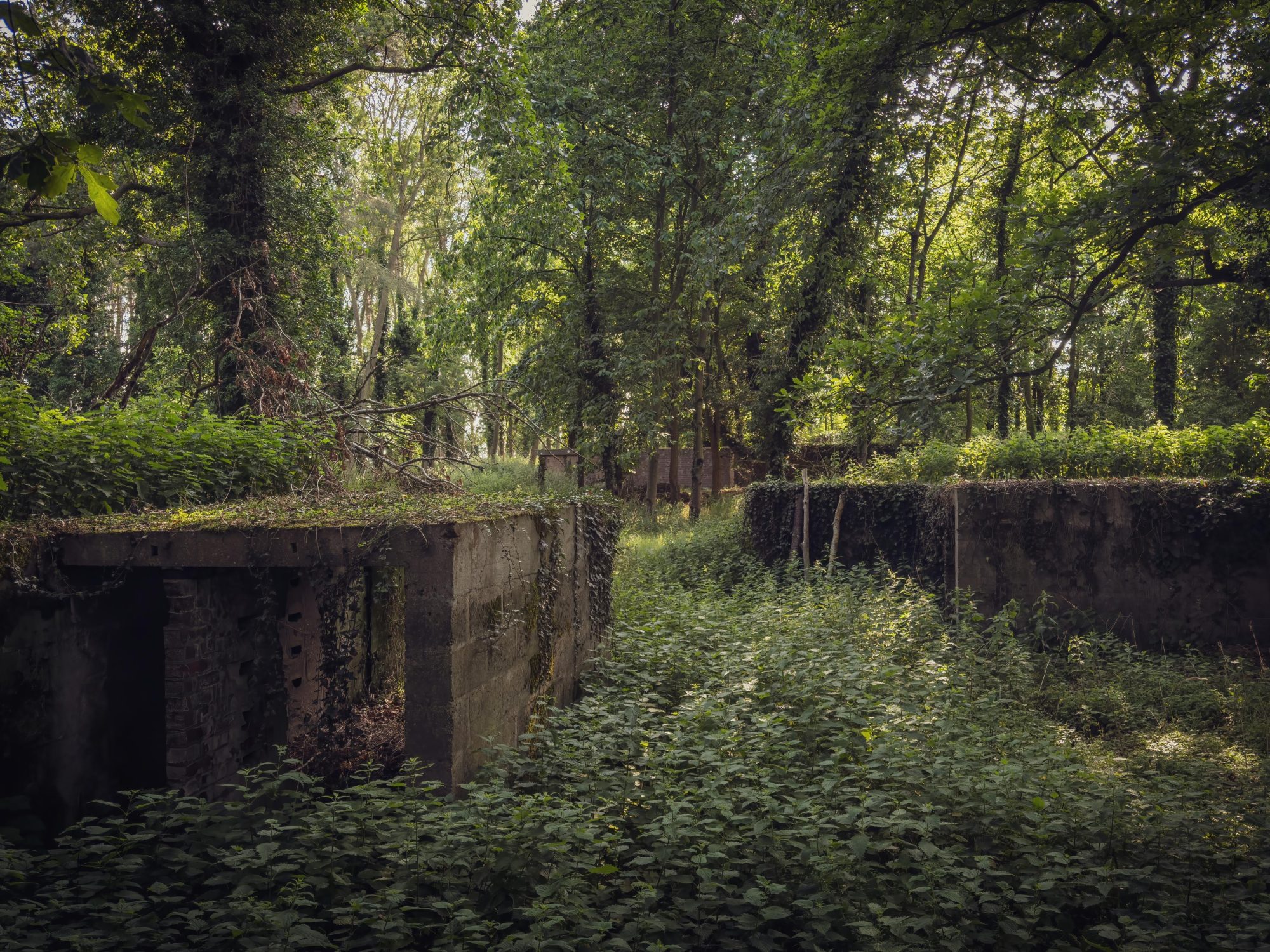
Constructed in the early 1940s, the battery typically comprised gun emplacements, likely for 3.7-inch HAA guns, along with a command post and associated crew facilities. These were built using reinforced concrete, arranged to allow a coordinated response to incoming aircraft. The site would have operated under the broader command of Anti-Aircraft Command and may have been supported by radar installations for targeting.
Personnel manning the site would have included members of the Royal Artillery, often assisted by members of the Auxiliary Territorial Service (ATS), especially in plotting and operational support roles. The battery’s operational period peaked during the height of the Blitz and subsequent years when the threat of air raids remained a constant concern. After the war, the site was decommissioned and gradually fell into disuse.